Patients with rheumatic diseases want more information and better communication with healthcare professionals on the sexual issues related to their conditions, according to the results of a new study presented today at EULAR 2009, the Annual Congress of the European League Against Rheumatism in Copenhagen, Denmark.
However, a second study shows that, although nurses understand the importance of addressing sexual health with their rheumatology patients as an integral part of their care, the nurses' own embarrassment in having such conversations can hinder them in proactively raising the issue.
Rheumatoid Arthritis - Causes, Symptoms, Diagnosis, Treatment, FAQs
Rheumatoid arthritis is a chronic inflammatory disease that causes pain, swelling, stiffness and loss of function in the joints.
Rheumatoid arthritis is a chronic inflammatory disease that causes pain, swelling, stiffness and loss of function in the joints.
In the first qualitative study of 23 rheumatoid arthritis (RA) patients, the respondents reported that sexual issues or relationships, in the context of their rheumatic disease, had not been part of their rheumatological healthcare, but they nonetheless considered it a relevant topic that should be included. Furthermore, a lack of information given on the potential sexually-related side effects of medication, such as erectile dysfunction and reduced libido, was identified. When reporting to their rheumatologist, the male patients reported a lack of knowledge or interest in such potential side effects from their healthcare professional.
The patients in the study believed that sexual issues should be addressed as part of the rheumatic healthcare, but sufficient time and an individually adjusted approach were required. A need for variation in information sources and settings for the communication on sexual issues was identified, such as individual conversations with a health professional, group sessions and written material.
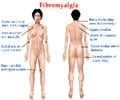
Fibromyalgia - Causes, Symptoms, Diagnosis, Treatment & Support Groups
Fibromyalgia (FM) is a chronic health condition charecterized by widespread pain and stiffness in the muscles, joints and tendons. It is considered to be a co-morbid disorder.
Fibromyalgia (FM) is a chronic health condition charecterized by widespread pain and stiffness in the muscles, joints and tendons. It is considered to be a co-morbid disorder.
In the second study, qualitative interviews with six rheumatology nurses identified four key categories experienced in the management of sexual issues in rheumatology practice:
- Patient-initiated conversation: The patient asks the nurse about a sexual problem
- Patient-initiated conversation: The patient acts in an inappropriate or sexual manner during the consultation (e.g. experiences arousal or makes sexual advances towards the nurse)
- Nurse-initiated conversation: The nurse is experienced in rheumatological disease-related sexual issues
- Nurse-initiated conversation: The nurse has an intuitive impression that the patient is encountering problems of a sexual nature
Nurses agreed that the first two themes, where the patient takes the lead, are situations that can lead to embarrassment, but that it is still preferable to them that the patient proactively raises the topic themselves. The latter two themes, where the nurse takes the lead, are situations in which nurses often choose not to share their professional experiences with the patient and not to follow their intuition, as they do not always feel that experience and intuition are sufficient to initiate a conversation on sexual issues.

Erectile Dysfunction Drug may Help to Treat Rheumatic Diseases
Researchers at Sanjay Gandhi Post Graduate Institute of Medical Sciences (SGPGIMS) in Lucknow say that an erectile dysfunction treatment may also be effective in treating blood vessel
Researchers at Sanjay Gandhi Post Graduate Institute of Medical Sciences (SGPGIMS) in Lucknow say that an erectile dysfunction treatment may also be effective in treating blood vessel
In the first patient-oriented study, from Diakonhjemmet Hospital, Oslo, Norway, 19 individual semi-structured interviews and two focus group interviews were conduced with 23 rheumatology patients aged 29-66 years, mean 44 years; disease duration 2-34 years) (including those with rheumatoid arthritis, juvenile rheumatoid arthritis, spondylarthropathy; 13 men, 10 women) who had been recruited by purposeful sampling from the in-and-out-patients clinics at Diakonhjemmet Hospital and by postal request. The development of the interview guide was informed by a literature review and discussions with a patient and healthcare professional resource group. The results are preliminary, the data have been coded, condensed and further analyses are ongoing.

Rheumatoid Arthritis Patients Take to Meditation to Ease Depressive Symptom
A revered contemplative practice for centuries, meditation has recently inspired research into its therapeutic value for everything from anxiety disorders to heart attack prevention.
A revered contemplative practice for centuries, meditation has recently inspired research into its therapeutic value for everything from anxiety disorders to heart attack prevention.
Source-Eurekalert
LIN