A researcher with the University of Queensland has developed a non-invasive screening method for potentially fatal liver and intestinal flukes.
Flukes are parasitic flatworms that can infest humans and an estimated 9 million people are supposed to be affected in southeast Asia.
Liver Cancer - Types, Causes, Symptoms, Diagnosis, Treatment, Prevention, Progosis
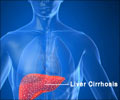
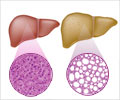
Liver or hepatic cancer is an abnormal growth of cells in the liver. The leading cause of the disease is cirrhosis or scarring of the liver tissue.
Liver or hepatic cancer is an abnormal growth of cells in the liver. The leading cause of the disease is cirrhosis or scarring of the liver tissue.
The creatures' life cycles involve marine snails and even dogs and cats depending on the species of fluke.
In extreme cases, the flukes can cause cancer of the bile duct and/or painful stones in the bile duct, leading to liver disease and even death.

Liver Cancer
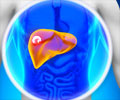
Liver is the largest organ inside the human body. It performs 500 different functions and processes 720 liters of blood per day. The important functions of the liver, the development of liver cancer and it’s symptoms are presented in this interactive.
Liver is the largest organ inside the human body. It performs 500 different functions and processes 720 liters of blood per day. The important functions of the liver, the development of liver cancer and it’s symptoms are presented in this interactive.
The breakthrough test is a vast improvement on existing testing methods to identify the flukes, involving a painful process of inducing people to purge fully grown flukes.
Advertisement

Uncooked Fish may Cause Liver Cancer
An age old preference for eating uncooked fish dishes like “koi-pla” puts people in SE Asia at risk.
An age old preference for eating uncooked fish dishes like “koi-pla” puts people in SE Asia at risk.
The PCR test is already being used by Thai researchers to screen people for the presence of three species of liver and intestinal flukes which range in length from a few millimetres to one centimetre.
Advertisement
Other researchers involved with the project included Dr Mathurit Mungthin from Phramongkutklao College of Medicine in Bangkok, Professor Darwin Murrell from the Danish Centre for Experimental Parasitology and Professor Andrew Thompson from Murdoch University.
To develop the molecular-based test, Dr Traub also called on the parasite identification expertise of UQ's Associate Professor Tom Cribb, from the Centre for Marine Studies, once back in the labs at the St Lucia campus.
Dr Traub's research was funded by a three-year, Australian Research Council Linkage grant with Bayer Animal Health GmbH as the industry partner.
Dr Traub said her research was important because 70 percent of the world's emerging infectious diseases involved an animal source or host. Examples include Hendra Virus, SARS, Avian Flu and Hydatid Disease.
“Multi-disciplinary research teams engaged in public health research are increasingly adopting a ‘One Medicine' approach involving medical doctors, veterinarians and biologists. This is the most effective way of tackling the understanding and control of such diseases,” Dr Traub said.
Source-Medindia
GPL/L