
Quiz on Cancer
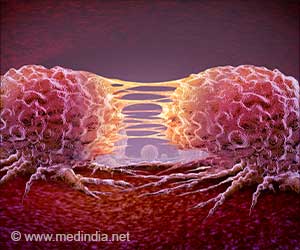
Cancer, is the second most leading cause of death worldwide. Cancer is not just one disease but many diseases. There are more than 100 different types of cancer. Take this quiz on and test how much you know about cancer.
Cancer, is the second most leading cause of death worldwide. Cancer is not just one disease but many diseases. There are more than 100 different types of cancer. Take this quiz on and test how much you know about cancer.
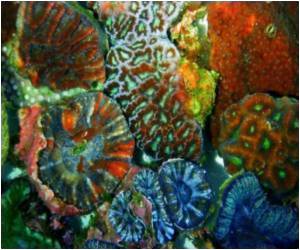
Salih said she had never seen such an abundance of highly red fluorescent corals, nor such an extraordinarily vibrant site.
"We are using these pigments to light up the workings of living cells and to study what goes wrong in cancer cells," said Salih, from the University of Western Sydney.

Cancer Key Facts and Statistics
Cancer is an abnormal cell growth and it can destroy other body tissues. 1 in 6 deaths that occur in the world is due to cancer. Here are some key facts and statistics about cancer
Cancer is an abnormal cell growth and it can destroy other body tissues. 1 in 6 deaths that occur in the world is due to cancer. Here are some key facts and statistics about cancer
Salih is working with scientists from the University of California to explore how cancer cells differ from normal cells and how effective anti-cancer drugs are. She said red pigments were especially valuable because they allowed researchers to see deeper into tissues.
Advertisement

Cancer Prevention thro' Lifestyle Changes
Did u know that simple changes in lifestyle could lower your cancer risks? Find out how!
Did u know that simple changes in lifestyle could lower your cancer risks? Find out how!
The corals were discovered by scientists tracking the recovery of coral bleaching linked to global warming at Lord Howe Island, and Salih said they were invaluable not only for her research but for understanding climate change.
Advertisement

Cancer Pain - Causes - Effects - Assessment - Treatment - FAQs - Video
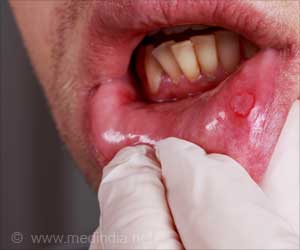
Every 1 out of 3 people undergoing cancer treatment experiences pain.
Every 1 out of 3 people undergoing cancer treatment experiences pain.
But the fluorescent corals had been much less damaged by the bleaching, lending "support to the hypothesis that fluorescence can provide some level of protection to corals from temperature stresses due to climate change."
"Coral fluorescence is proving to be incredibly important in the biology of coral reefs and their ability to survive stressful conditions," she said.
Source-AFP