A new study has found that implementing self-management programs for asthma patients could improve their adherence to medications, while leadong to better disease control.
Researchers at the University of California, San Francisco, say that asthma patients, who spend as little as 30 minutes with a health care professional to develop a personalized self-management plan, may improve their condition.
Asthma - Factors, Common Allergens, Diagnosis, Treatment, Support Groups, FAQs
It's a lung condition characterized by inflammation of the bronchi and constriction of the airways that result in coughing, wheezing or breathlessness. Allergy and other airway irritants can trigger it
It's a lung condition characterized by inflammation of the bronchi and constriction of the airways that result in coughing, wheezing or breathlessness. Allergy and other airway irritants can trigger it
Earlier, the researchers had shown that teaching asthma patients how to self-manage their disease can improve health outcomes and that tailored education is more effective than standardized programs because patients find it more personally relevant.
However, Janson pointed out that it had been unclear as to which components of self-management education could lead to better control of the disease.
For the study, the researchers conducted a 24-week randomised, controlled trial to know whether individualized instruction in asthma self-management added significantly to the effects of self-monitoring alone on patients' adherence to inhaled corticosteroids (ICSs).
ICSs are medications that can help reduce inflammation in the airway and prevent asthma attacks.
Advertisement

Respiratory Diseases - Diseases of the Human Respiratory System
Respiratory diseases affect any part of the respiratory system. Some of the lung diseases like chronic obstructive pulmonary disease can lead to respiratory failure.
Respiratory diseases affect any part of the respiratory system. Some of the lung diseases like chronic obstructive pulmonary disease can lead to respiratory failure.
Forty-five of those patients were randomly selected to also receive a personal 30-minute session that included asthma information, personally relevant allergen exposure reduction, a personal action plan, and instruction in the correct use of their inhalers.
Advertisement

Asthma Management
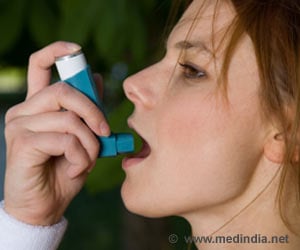
Metered Dose Inhalers(MDI), which delivers medictions directly to the lungs, can be most effectively used in the treatment of asthma.
Metered Dose Inhalers(MDI), which delivers medictions directly to the lungs, can be most effectively used in the treatment of asthma.
During the study period, adherence to ICSs was consistently higher in the intervention group compared with the control group.
Also, participants in the intervention group experienced fewer nighttime awakenings, a marker of asthma control.
Intervention participants also used rescue inhalers less frequently, experienced an increased sense of control over their asthma, and had a significant decrease in their levels of tryptase, which is released from cells in the presence of allergens.
The findings of the study have been published in The Journal of Allergy and Clinical Immunology.
Source-ANI
TAN