
Back Pain - Backache - Workplace - Prevention - Exercises
Understanding the basics about our back and our posture is very important in preventing back pain and improving workplace productivity.
Understanding the basics about our back and our posture is very important in preventing back pain and improving workplace productivity.
Delamarter is a lead author of the two studies, which were published recently in the SAS Journal of the International Society for the Advancement of Spine Surgery and the Society for Minimally Invasive Spine Surgery.
Both studies compared disc replacement surgery with the more common fusion operation to treat degenerative disc disease – deterioration caused by aging and wear and tear. One study looked at 209 patients with damaged neck discs who received either minimally invasive disc replacement or the more complex spinal fusion surgery. These patients were followed at regular intervals for four years. A separate group of 136 who received an artificial disc two years after the first group also were part of the study. All patients were assessed on their satisfaction with the results of the procedure. The other study focused on 53 patients suffering from three-level, lower back disc disease and looked at cost comparisons for length of hospital stay, resources used and other factors.

Back Pain – Symptoms, Causes, Diagnosis, Treatment & Prevention
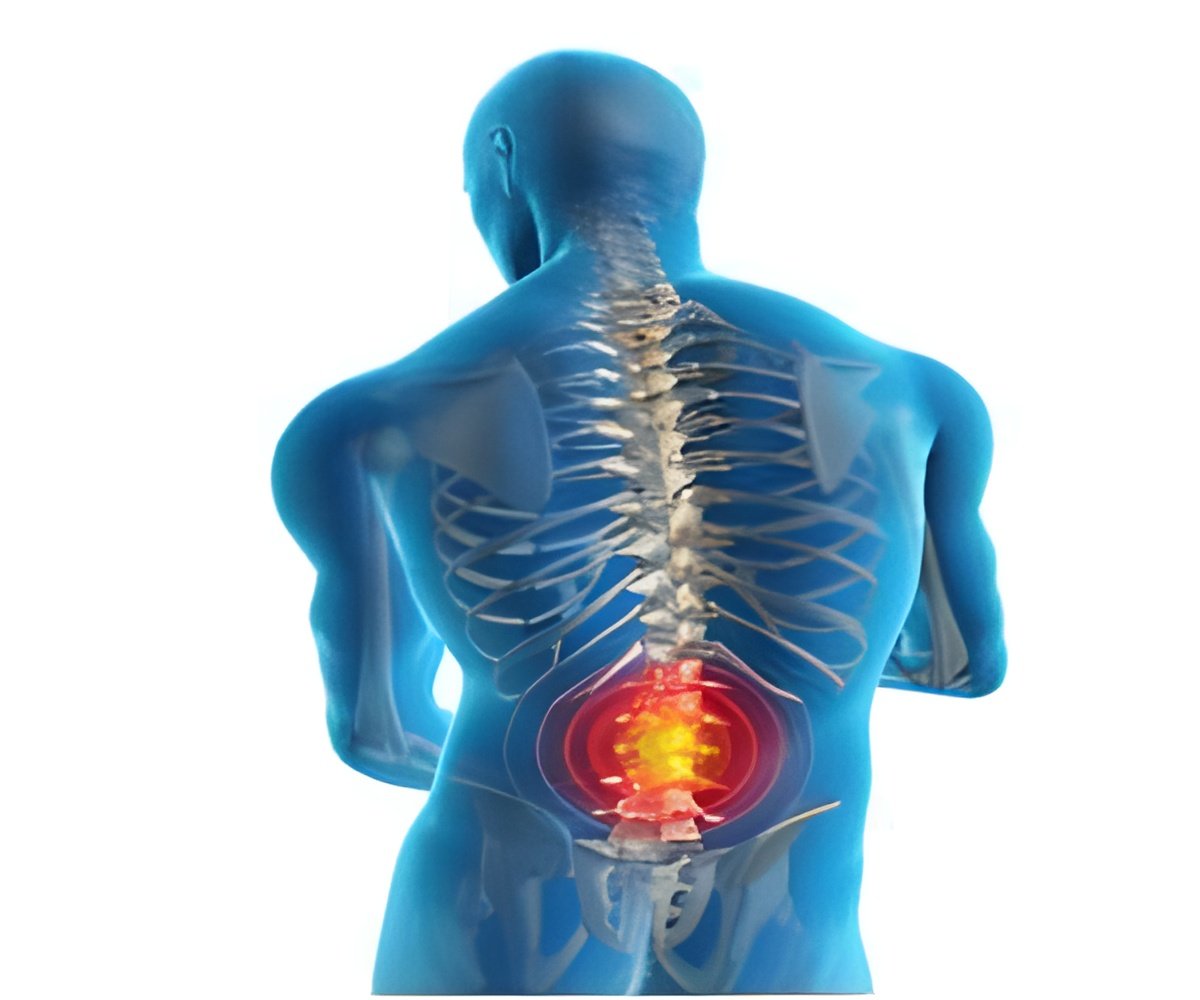
Back pain or Backache is common due to poor posture, postural deformities and life style. Back pain can be classified anatomically as upper, lower and middle back pain.
Back pain or Backache is common due to poor posture, postural deformities and life style. Back pain can be classified anatomically as upper, lower and middle back pain.
Fusion surgery seeks to relieve symptoms of the degenerative disease by removing the damaged disc and replacing it with bone. Studies show this procedure often can be effective but there can be drawbacks: in some cases, fused spinal sections can lose flexibility, impeding normal movement and stressing adjacent discs, often leading later to more fusion surgery. Artificial disc replacement, which has been performed in the United States since 2000, tends to cause less tissue injury than fusion surgery, and the discs are designed to maintain natural spine movement and reduce need for follow-up surgery.
Advertisement

Yoga and Back Pain - Introduction
The healing effects of yoga benefit those suffering from backpain, by alleviating their pain and also preventing its recurrence.
The healing effects of yoga benefit those suffering from backpain, by alleviating their pain and also preventing its recurrence.
Patients in the study had imaging scans to measure before-and-after flexibility and range of motion; were evaluated for physical and neurological improvement; and completed self-assessment questionnaires on neck disability, neck and arm pain intensity. Improvements were seen in all categories, regardless of the surgical procedure, but results tended to be at least slightly better in patients with disc replacements.
Advertisement
"While the results of this 13-center study are preliminary, it appears that artificial disc replacement surgery compares favorably as an effective procedure, is preferred by patients and slows the rate of adjacent-level disease," Delamarter said.
Spinal fusion has been recognized as one of the more expensive surgical procedures. The second study looked at costs and is believed to be the first to compare those of three-level disc replacement with three-level fusion. It evaluated itemized billing records of 53 patients undergoing surgery for three consecutive discs of the low back (lumbar spine) at St. John's Health Center in Santa Monica, Calif., where Delamarter practiced before joining Cedars-Sinai.
Total hospital costs for patients undergoing disc replacement surgery averaged 49 percent lower than those for fusion patients
The number of fusions for low back pain is rising rapidly, but Delamarter urges hospitals, insurers and surgeons to consider alternatives, including total disc replacement.
"After safety and effectiveness of a procedure have been documented, cost is an important consideration," he said. "Artificial disc replacement technology appears to offer a promising, cost-saving alternative to fusion, especially for patients with disease at three levels."
Source-Eurekalert