Microdermabrasion using a coarse diamond-studded instrument appears to induce molecular changes in the skin of older adults that mimic the way skin is remodeled during the wound healing process, according to a report in the October issue of Archives of Dermatology, one of the JAMA/Archives journals.
"Microdermabrasion is a popular procedure for skin rejuvenation," the authors write as background information in the article. "It has been suggested that microdermabrasion can improve the appearance of wrinkles, atrophic acne scars, dyspigmentation and other signs of aging skin." The procedure involves buffing the skin using grains of diamond or another hard substance. In order to objectively change the appearance of wrinkled skin, such a procedure would have to induce the production of collagen, the major structural protein in the skin. Previous studies have shown that microdermabrasion using aluminum oxide may not always stimulate collagen production; whether more aggressive but still nonablative (not involving the destruction of skin tissue) methods could consistently do so is unknown.
Skin disease/ Dermatology - Disorder - Problems - Cancer - Pigmentation - Diseases - Infographics
Skin diseases also known as dermatologic disorders are many in number and so are their causes. The common skin diseases or skin disorders are usually related to the epidermal layer of skin.
Skin diseases also known as dermatologic disorders are many in number and so are their causes. The common skin diseases or skin disorders are usually related to the epidermal layer of skin.
When performed with the coarse-grit handpiece, microdermabrasion resulted in the increased production of a wide variety of compounds associated with wound healing and skin remodeling. This includes cytokeratin 16, a well-characterized response to injuries to the skin's outer layer; antimicrobial peptides that fight infection; matrix metalloproteinases that break down skin's structural proteins to allow for rebuilding; and both collagen precursors and other substances that form the pathway to its production.
These molecular changes were not seen in individuals who received microdermabrasion using the medium-grit handpiece, the authors note. All patients experienced a mild period of redness that typically lasted less than two hours.

About Skin
Skin types can range from oily to dry, extreme dryness accompanied by rashes and itching can often denote the presence of a skin problem or skin disorder.
Skin types can range from oily to dry, extreme dryness accompanied by rashes and itching can often denote the presence of a skin problem or skin disorder.
Source-Eurekalert
SRM
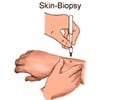
Skin Biopsy-Procedure-Punch-Shave-Incisional-FAQ-Video
Encyclopedia section of medindia gives general information about skin biopsy.
Encyclopedia section of medindia gives general information about skin biopsy.