Anemia | Low Hemoglobin (Haemoglobin) Causes Symptoms Diagnosis Treatment FAQs
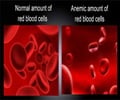
Anemia is a condition in which the red blood cell (RBC) count or hemoglobin is less than normal.
Anemia is a condition in which the red blood cell (RBC) count or hemoglobin is less than normal.
Africa is home to the vast majority of the world's sickle-cell disease cases. Sickle-cell disease is inherited by a child from both parents and is caused by abnormal hemoglobin, a blood protein that distorts the shape of red blood cells and delivers less oxygen to tissues. The disease weakens the immune system and puts its victims at risk for serious bacterial infection and childhood death. Data examined from studies in the Democratic Republic of the Congo, Nigeria, Kenya and Senegal ? countries with the highest sickle-cell disease burden ? clearly demonstrate an increased risk of serious bacterial infection, especially invasive pneumococcal disease, in African children with sickle-cell disease.
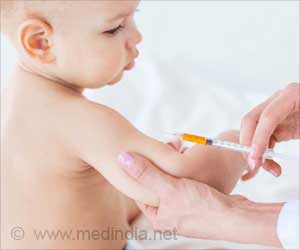
"In combination with early diagnosis and treatment of sickle-cell disease, routine, country-wide immunization against pneumococcus is the best strategy to improve quality of life for all African children, particularly those with sickle-cell disease," said Orin Levine, contributing author, executive director of the International Vaccine Access Center (IVAC) at The Johns Hopkins Bloomberg School of Public Health and co-chair of the Pneumococcal Awareness Council of Experts (PACE). "Millions of lives can be saved by improving access to pneumococcal conjugate vaccines."
One-third of all indigenous inhabitants of Sub-Saharan Africa carry the sickle cell gene, and approximately, 230,000 African children are born with sickle-cell disease each year. Because routine access to medical care is out of reach for many children in the region, the average life expectancy for those afflicted with sickle cell disease in Africa is less than 20 years. In many developed countries where comprehensive care including pneumococcal vaccination and aggressive treatment are available, life-expectancy for sickle cell patients is 45-55 years. Since PCV was first introduced in 2000 in the United States, invasive pneumococcal infections in children with sickle-cell disease declined 68 percent in children under 10 and by 90 percent in children under five.
"The one-two punch of sickle-cell disease coupled with pneumococcal disease is devastating in Africa making protecting Africa's children through vaccination an urgent priority," said Ciro A. de Quadros executive vice president of the Sabin Vaccine Institute and co-chair of PACE. "We urge the leaders of African countries to make routine vaccination against pneumococcal disease a priority."
Advertisement
Blood Groups
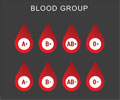
The blood group of a person is determined by the presence or absence of certain inherited antigenic substances and certain acquired antibodies in blood.
The blood group of a person is determined by the presence or absence of certain inherited antigenic substances and certain acquired antibodies in blood.
Safe and effective vaccines currently exist to prevent pneumococcal deaths. In 2006, the World Health Organization (WHO) recommended that all countries include PCV in their national immunization programs, especially in countries where childhood mortality is high. The WHO recommendation guides country policy-making on the prioritization of measures to address childhood pneumococcal disease.
Advertisement
Source-Medindia
GPL