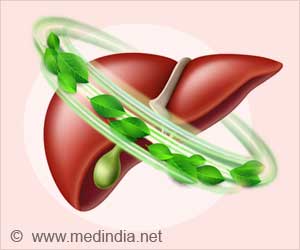

Bleeding Disorders - Symptoms - Causes - Types - Diagnosis - Treatment - FAQs
Bleeding disorder is an acquired or an inherited condition, which is characterized by excessive bleeding in the persons affected by the problem.
Bleeding disorder is an acquired or an inherited condition, which is characterized by excessive bleeding in the persons affected by the problem.
There are three main syndromes associated with Gulf War illness, producing a variety of symptoms, including fatigue, neuropathic pain, memory and concentration deficits, balance disturbances and depression.
The hippocampus is the part of the brain responsible for forming long-term memories and helping with spatial navigation. Many Gulf War illness neurological symptoms, such as memory loss, confusion, irritability and disorders in motion control suggest impairment of the hippocampus.
Quiz on Brain
The human brain is exquisitely intrinsic and is the seat of all emotions. If you are curious about what makes you bad, sad, silly or glad this quiz on the brain will satiate you.
The human brain is exquisitely intrinsic and is the seat of all emotions. If you are curious about what makes you bad, sad, silly or glad this quiz on the brain will satiate you.
Each patient received intravenous infusions of saline in an initial session, and physostigmine in a second session 48 hours later. Physostigmine is a short-acting cholinesterase inhibitor, used to test the functional integrity of the cholinergic system, a neurotransmitter system involved in the regulation of memory and learning.
Advertisement
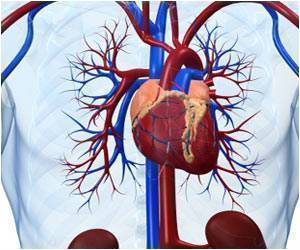
Research Finds Molecule That can Increase Blood Flow in Vascular Disease
A molecule that can increase blood flow in vascular disease has been identified by scientists.
A molecule that can increase blood flow in vascular disease has been identified by scientists.
The findings replicated the results of the initial SPECT study of largely the same group of veterans. The results showed that abnormal hippocampal blood flow persisted and may have progressed 11 years after initial testing and nearly 20 years after the Gulf War, suggesting chronic alteration of hippocampal blood flow.
Advertisement

Severe Muscle Pain Attacks Gulf War Veterans
Chronic musculoskeletal pain (CMP) resembling fibromyalgia has been the common complaint of nearly 100,000 Gulf War veterans.
Chronic musculoskeletal pain (CMP) resembling fibromyalgia has been the common complaint of nearly 100,000 Gulf War veterans.
"Having an objective diagnostic test allows researchers to identify ill veterans for future clinical trials to test possible treatments," Dr. Haley said. "It is also critical for ongoing genomic studies to see why some people are affected by chemical exposures, and why others are not."
Source-Eurekalert