Information about Dichlorphenamide
Generic Name : DichlorphenamideUp-to-date prescription details regarding Dichlorphenamide are provided here.
Pronunciation : dye klor FEN a mide
Learn the correct pronunciation of the Dichlorphenamide, understand it's uses, recommended dosages, its indications, how to take, when to take, when not to take, side effects, special precautions, warnings and its and its storage instructions.You will also find a list of the medication's International and Indian brand or trade names, as well as its pricing information. For verification of the information presented on this page or for additional clarifications, it's advisable to consult your doctor.
ICD Code : Y56.5 Therapeutic Classification : Antiglaucoma Agents
Trade Names/Brand Names of Dichlorphenamide
International :
Daranide
Why is Dichlorphenamide Prescribed? (Indications)
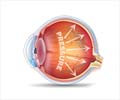
This medication is a sulfonamide and carbonic anhydrase inhibitor, prescribed for glaucoma. It reduces the amount of fluid produced in eyes.When should Dichlorphenamide not be taken? (Contraindications)
Contraindicated in patients with liver or kidney failure, adrenocortical insufficiency, acidity, lung obstruction, low level of minerals in blood and hypersensitivity.What is the dosage of Dichlorphenamide?
Adult- Oral- The recommended dose is 100 to 200 mg (2 to 4 tablets), followed by 100 mg (2 tablets) every 12 hours. The recommended maintenance dosage for adults is 25 to 50 mg once to three times daily.How should Dichlorphenamide be taken?
It comes as a tablet to take by mouth, with or without food.What are the warnings and precautions for Dichlorphenamide?
• Caution should be exercised in patients with history of heart disease, hormonal disease, any allergy, who are taking other medication, during pregnancy and breastfeeding.What are the side effects of Dichlorphenamide?
Most Common- Loss of appetite, nausea, vomiting, drowsiness and tingling.Central Nervous System- Lack of coordination, tremor, tinnitus, headache, weakness, nervousness, lump in one's throat, lassitude, depression, confusion, disorientation and dizziness.
Gastrointestinal- Constipation and liver insufficiency.
Metabolic- Loss of weight, metabolic acidosis, electrolyte imbalance and increased level of urea in blood.
Hypersensitivity- Skin eruptions, itching and fever.
Blood- Decrease in white blood cells and platelets.
Genitourinary- Urinary frequency, kidney stone and phosphate in urine.