

About
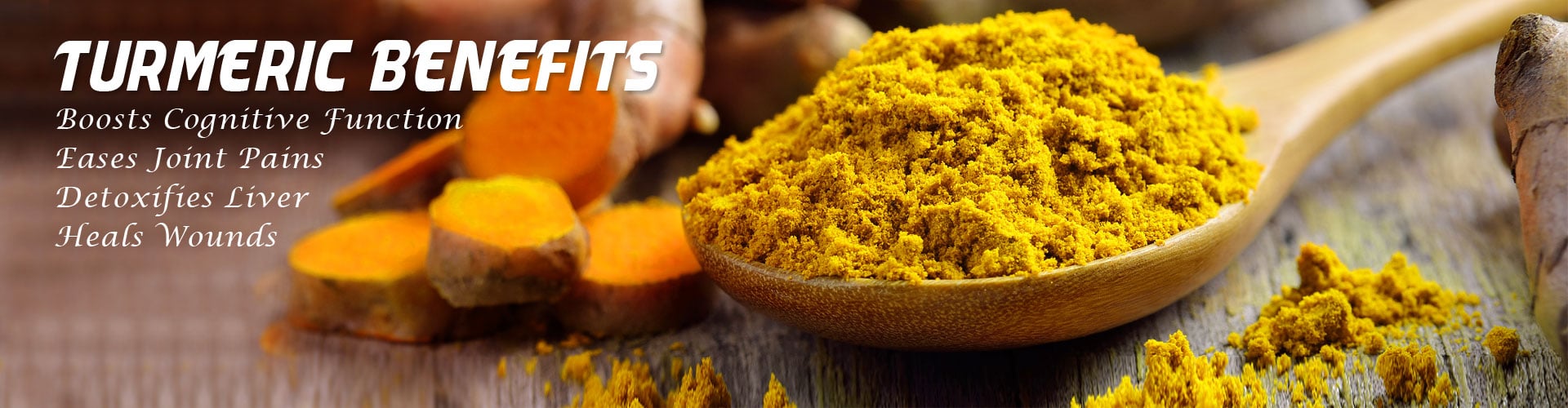
Turmeric powder comes from the root of the turmeric plant. Grinding mature rhizomes of this plant produces a bright yellow powder. People commonly use turmeric (haldi) in Indian cuisine to add color and flavor to food.
It is a common ingredient in curry powder, and people also use it in cosmetics. It also offers medicinal advantages and was often employed in traditional Indian medicine and Chinese medicine. It has a positive impact on various health conditions.
Nutritional Value
Used in almost all Indian curries, this spice has almost no calories (1 tablespoon = 24 calories) and zero cholesterol. It is rich in dietary fiber,
Health Benefits of Turmeric
Anti-Inflammatory Properties:
Curcumin has potent anti-inflammatory effects. Researchers believe it may assist in managing or preventing many common Western diseases associated with chronic inflammation.
Antioxidant Effects:
Turmeric has antioxidant properties, which means it can neutralize free radicals in the body. Free radicals can cause oxidative damage to cells, contributing to aging and various diseases. Antioxidants help protect the body from this damage.
Joint Health:
This yellow spice might help with arthritis symptoms because it has anti-inflammatory properties, according to some studies. It may help reduce pain and improve joint function in people with osteoarthritis and rheumatoid arthritis.
Biological Activity of Turmeric and Glucosamine:
Combining Glucosamine and Turmeric brings two powerful elements together to relieve joint discomfort and promote the rebuilding of cartilage. The joint-soothing effects of these two ingredients can gradually enhance joint function, enabling a return to your favorite activities.
Cardiovascular System (CVS):
Curcumin may have benefits on heart health by improving the function of the endothelium, the lining of your blood vessels. It may also reduce inflammation and oxidative stress, contributing to a lower risk of heart disease like coronary artery disease.However, it's crucial to note that while there is some promising research, the evidence is not conclusive, and individuals with serious heart conditions, such as those requiring coronary artery bypass surgery, should consult their healthcare providers for personalized advice.
Biological Activity of Curcuma and Heart Health:
This spice is derived from the Curcuma longa plant, and has been associated with various health benefits, including potential effects on blood pressure. The active compound in this spice, curcumin, has demonstrated several biological activities that may contribute to its impact on cardiovascular health, including blood pressure regulation by improving endothelial function. It also has mild antiplatelet antiplatelet activity.
Blood Pressure Regulation:
Several animal and human studies have explored the impact of curcumin on blood pressure. While results are not consistent across all studies, some indicate that curcumin supplementation may help lower blood pressure levels, particularly in individuals with hypertension.
Brain Health:
There is emerging research suggesting that curcumin may have neuroprotective properties. Researchers have studied its potential in stopping and treating brain diseases such as Alzheimer's. This is because it has the ability to enter the brain through the blood.
Cancer Prevention:
Some studies have indicated that curcumin may have anticancer properties. It may affect cancer growth, development, and spread at the molecular level. However, we need more research, and we should not consider this wonder spice as the sole treatment for cancer.
Digestive Health:
This spice may help with digestive issues, including indigestion and bloating. It stimulates bile production, which aids in digestion. Additionally, its anti-inflammatory properties may benefit those with inflammatory bowel diseases.
Blood Sugar Regulation:
Curcumin may lower blood sugar and improve insulin sensitivity. This could benefit individuals with or at risk of type 2 diabetes.()Turmeric for Health Conditions
Inflammation:
Antioxidant and anti-inflammatory - Turmeric, with its active compound curcumin, is renowned for its potential to alleviate inflammation. This spice can reduce inflammation and fight against harmful free radicals by blocking certain pathways and acting as an antioxidant. Curcumin's interference with inflammatory enzymes and its modulation of immune system responses contribute to its anti-inflammatory effects.
Liver Health:
This spice’s active compound curcumin, has shown promise in promoting liver health. Research suggests that curcumin may act as an antioxidant, inhibiting oxidative stress and inflammation in the liver.
Type 2 Diabetes Management:
Its potential to help control the development of Type 2 Diabetes. It may help lower insulin resistance, which is important in preventing type 2 diabetes, according to some studies.
Weight Loss:
Turmeric, particularly curcumin, has been associated with supporting weight loss efforts. Inflammation, often linked to obesity, can be mitigated by curcumin's anti-inflammatory properties.
Rheumatoid Arthritis Improvement:
Research suggests that the active compound curcumin in this spice may offer relief for individuals with rheumatoid arthritis.
Alzheimer's Disease Prevention and Treatment:
Some studies suggest that curcumin may have a potential role in preventing and treating Alzheimer's disease. Research points to various effects of curcumin, such as reducing beta-amyloid plaques, delaying neuron degradation, and exhibiting antioxidant and anti-inflammatory properties.Turmeric for Hangover Cure:
While it is not a guaranteed hangover cure, its anti-inflammatory properties may help alleviate symptoms like headache and nausea. Adding this spice to warm water or tea could offer a soothing option for those seeking relief after excessive alcohol consumption.
Home Remedies:
This spice has long been recognized as a traditional home remedy for various ailments. It is commonly used to treat sprains and swellings, often combined with lime and salt for topical application.Additionally, this spice is known for its effectiveness in addressing chronic cough, cold, and throat irritations.
Potential Side Effects of Turmeric
Wondering what are the side effects of this golden spice? Here are ten potential side effects:
- Gastrointestinal issues
- Risk of bleeding
- Interference with blood sugar control
- Allergic reactions
- Interference in iron absorption
- Interactions with medications
- Gallbladder issues
- It can affect pregnancy and breastfeeding
- Kidney stones
- Digestive upset in sensitive individuals ()
While turmeric is generally considered safe for consumption in moderate amounts and is associated with several potential health benefits due to its active compound, curcumin, it's important to note that scientific research on this golden spice is ongoing, and not all potential side effects may be well-established or universally applicable. Additionally, individual responses to this spice can vary.
How to Take Turmeric?
Incorporating this ‘golden spice’ into your lifestyle can be both delicious and beneficial.
Turmeric Tea or Turmeric Latte
Turmeric tea and turmeric lattes, often referred to as "golden milk," have gained popularity in recent years due to the potential health benefits associated with this spice, particularly its active compound, curcumin. Here are some of the health benefits often attributed to this beverage, along with a quick recipe for the golden milk:
Turmeric Tea Benefits:
Turmeric, with its active compound curcumin, offers anti-inflammatory, antioxidant, and potential joint, digestive, immune, and heart health benefits. The spices in this beverage, such as cinnamon and ginger, complement these effects.
Quick Recipe:
Turmeric tea recipe: In a saucepan, heat 1 cup of milk with 1 tsp turmeric, 1/2 tsp cinnamon, optional 1/4 tsp ginger, a pinch of black pepper, and sweeten to taste with honey or maple syrup. Simmer for 5-7 minutes, strain if desired, and enjoy this flavorful and potentially health-boosting beverage.
Turmeric Tea Bags: Alternatively tea bags of this spice can be used can also be used.
What to Pair with this Golden Spice?
Turmeric and Pepper: Black pepper is added because it contains piperine, which enhances the absorption of curcumin. Turmeric and Ginger: Combining this spice with ginger in recipes like teas, curries, or stir-fries not only enhances the flavor but also combines the anti-inflammatory properties of both spices for a potent health punch.Turmeric and Cumin: Cumin vs turmeric is a common topic of discussion due to its distinct flavors and uses in culinary practices. While cumin adds a warm, earthy flavor, It provides a vibrant, slightly bitter taste and is often recognized for its vivid yellow color.
Turmeric Milk
Preparing a soothing cup of turmeric milk: Heat your milk of choice with a teaspoon of ground turmeric, a pinch of black pepper (to enhance absorption), and a touch of honey for sweetness.
Fresh Turmeric or Raw Turmeric:
can be a game-changer in recipes, lending a vibrant color and earthy flavor. Grate or finely chop fresh turmeric to add to soups, stir-fries, or even smoothies for an extra nutritional boost.
Turmeric Benefits for Skin
Who said turmeric powder is just for inner beauty? This spice can be a great contributor to your shining glow as well. Its anti-inflammatory and antioxidant properties can contribute to a clearer complexion by reducing inflammation and combating free radicals that contribute to premature aging.Turmeric Powder for Skin: For a natural skincare regimen, consider a homemade turmeric mask by mixing ground powder with yogurt and honey. This mask can revitalize your skin and leave it with a healthy glow.
Turmeric Supplement
When it comes to enhancing one's well-being, the market is flooded with various options, but discerning individuals seeking optimal health often turn to turmeric supplements.
Among the plethora of choices, finding the best supplement can be a game-changer. Turmeric pills or turmeric capsules, renowned for their anti-inflammatory and antioxidant properties, have gained popularity as a natural way to support overall health. The best turmeric supplement is not just about its potency but also factors like bioavailability and purity. Those who prioritize their health are increasingly incorporating supplements into their daily routines, recognizing the potential benefits that these golden-hued pills can offer in promoting a vibrant and balanced lifestyle. ()
How Much Turmeric to Take per Day
As for how much this spice is to be taken daily, it's recommended to consume 500 to 2,000 milligrams of turmeric per day, which may provide about 50 to 200 milligrams of curcumin. However, the absorption of curcumin can be improved by consuming it with black pepper, which contains piperine. Therefore, some supplements include black pepper extract to enhance bioavailability. ()
What is Curcumin?
Curcumin, the active compound in turmeric, is generally considered safe for most people when taken at recommended doses. Curcuma has gained widespread attention for its numerous health benefits.()
Curcumin Supplements
Many people turn to curcumin supplements, to harness its anti-inflammatory and antioxidant properties. However, like any supplement, there can be potential side effects, especially when consumed in excessive amounts or for extended periods. Some reported curcumin side effects include:
- Gastrointestinal Issues: High doses of curcumin may cause gastrointestinal discomfort, including nausea, indigestion, or diarrhea.
- Blood-Thinning Effect: Curcumin has mild blood-thinning properties, so excessive intake may increase the risk of bleeding, particularly in individuals already on blood-thinning medications. It's advisable to consult with a healthcare professional if you are taking such medications.
- Interaction with Gallbladder: Curcumin may worsen gallbladder problems in some individuals, so those with gallstones or gallbladder issues should exercise caution.
- Allergic Reactions: Some people may be allergic to this spice or curcumin, leading to allergic reactions such as rash, itching, or difficulty breathing.
The debate over turmeric vs curcumin often arises, with enthusiasts debating the efficacy of consuming the raw form of this spice versus opting for curcumin supplements.
Whether one chooses to incorporate raw turmeric into their culinary creations or takes curcumin supplements for a concentrated dose, the key lies in the potential health-promoting properties that this vibrant spice has to offer.
Disclaimer: It's crucial to consult with a healthcare professional before starting any supplementation, especially if you have pre-existing health conditions, are pregnant, or are taking medications. Individual responses to supplements can vary, and professional guidance ensures that turmeric or curcumin is safe and suitable for your specific circumstances.













Turmeric can slow blood clotting and might cause extra bleeding during and after surgery - is it advisable to drink turmeric tea for people taking aspirin?