

 Introduction Symptoms Causes Remedies Dietary consideration
Dyspepsia is a word of Greek origin meaning indigestion or difficulty in digestion. Any gastrointestinal symptom associated with taking of food is called dyspepsia. It is one of the most common ailments today and results from dietetic errors.
Advertisement
Symptoms
Abdominal pain, a feeling of over-fullness after eating, heartburn, loss of appetite, nausea or vomiting and flatulence or gas are the usual symptoms of dyspepsia. Vomiting usually produces relief. What is vomited is intensely sour to the taste. Other symptoms are a foul taste in the mouth, coated tongue and bad breath. At times, a sensation of strangling in the throat is experienced. In most cases of indigestion, the patient suffers from constipation which adds to the acidity of the system.
Advertisement

Advertisement

Causes
The main causes for dyspepsia are overeating, eating wrong food combinations, eating too rapidly and neglecting proper mastication and salivation of food, overeating makes the work of the stomach, liver, kidneys, and bowels harder. When the food putrefies, its poisons are absorbed into the blood and, consequently, the whole system is poisoned. Certain foods, especially if they are not properly cooked, cause dyspepsia. Fried foods as well as rich and spicy foods often cause abdominal discomfort and gas or aggravate the existing condition. Other causes of dyspepsia are excessive smoking, intake of alcohol, constipation, insomnia, emotions such as jealousy, fear and anger and lack of exercise.

Remedies
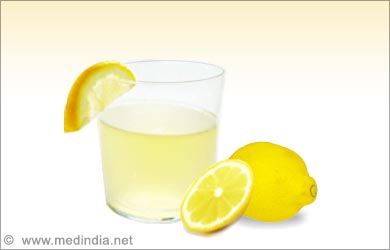
Lemon (bara nimbu) :
The use of fruits in general is beneficial in the treatment of Dyspepsia. They flush out the undigested food residue and accumulated faeces, and re-establish health to perfect order. The best of the fruits is lemon. Its juice reaches the stomach and attacks the bacteria, inhibiting the formation of acids. Lemon juice reduces indigestion by dislodging this acid and other harmful substances from the stomach, thereby strengthening and promoting a healthy appetite.
Grapes (angoor) :
This fruit is light food which reduces indigestion and irritation of the stomach in a short time.
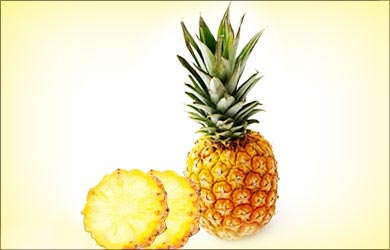
Pineapple (ananas):
Pineapple acts as a tonic and relieves much of the digestive disorders. Half a glass of pineapple juice should be taken after a meal in treating this condition.
Pomegranate (annar):
The juice of a pomegranate mixed with a tablespoon of honey is valuable in indigestion accompanied by giddiness. The dose may be repeated a few times if necessary. The seeds of this fruit act as a stomach tonic when mixed with a little rock salt and black pepper powder.
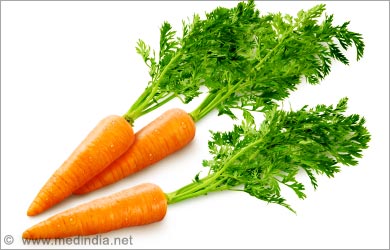
Carrot (gajar):
Chewing of this vegetable increases saliva and quickens digestion by supplying the necessary enzymes, minerals and vitamins. The juice of this vegetable is also beneficial.
Fenugreek (methi):
Fenugreek leaves are beneficial in dyspepsia. About fifty grams of leaves, boiled and fried in butter, are valuable in allaying biliousness. The seeds can also be used beneficially in the treatment of dyspepsia.
Mint (pudhina):
Mint juice, is a good appetiser. Its value is greatly enhanced by mixing equal amount of honey and lemon juice each. This mixture forms a very effective remedy for indigestion and gaseous distension of the stomach.
Butter milk:
A very simple remedy for indigestion is thin butter-milk mixed with a quarter teaspoon of pepper powder. For better results an equal quantity of cumin (jeera) powder may be added to the buttermilk.

Aniseed (saunf):
The use of aniseed is also beneficial in the treatment of indigestion. An infusion can be prepared by mixing a teaspoon of aniseed in a cup of boiling water and leaving it covered overnight. The clear fluid can then be decanted and taken with honey.
Dietary consideration
The best way to commence the treatment is to adopt an all fruit diet for about five days.
In case of severe dyspepsia, it will be advisable to fast on fresh fruit and vegetable juices for two or three days before adopting an all-fruit diet. The patient may there after gradually embark upon a well-balanced diet, consisting of seeds, nuts and whole grains, vegetables and fruits.
If you suffer from dyspepsia follow the rules below to ease digestion-
Never eat and drink simultaneously; never hurry through a meal; never eat to a full stomach; never sit down to a meal when worried, tired, excited, or in a bad temper; and do not eat when you are not hungry.
Other useful methods in the treatment of dyspepsia are light exercises like walking, golf and swimming. A daily enema for few days in the beginning, application of wet girdle pack, a daily cold friction bath and massaging of the abdomen.












I am pregnant and am suffering with this condition. My family and I have moves to Nigeria due to my husband's job and it seems none of the doctors here know how to treat this. I will definitely try the fruit and veg diet as it is a very safe and natural way of treating this. I suffer from the feeling of strangulation and it is so unbearable. it lasts the whole day. I go to sleep with the feeling and wake up with it. It's so terrible.. thanks for this page as it allows for natural products to help deal with this not so pleasant condition.